
 EN
EN
 BG
BG
 HR
HR
 CS
CS
 DA
DA
 NL
NL
 FI
FI
 FR
FR
 DE
DE
 EL
EL
 IT
IT
 JA
JA
 KO
KO
 NO
NO
 PL
PL
 PT
PT
 RO
RO
 RU
RU
 ES
ES
 SV
SV
 TL
TL
 LV
LV
 SR
SR
 SK
SK
 SL
SL
 UK
UK
 VI
VI
 ET
ET
 HU
HU
 TR
TR
 FA
FA
 GA
GA
 BE
BE
 EO
EO
 MI
MI

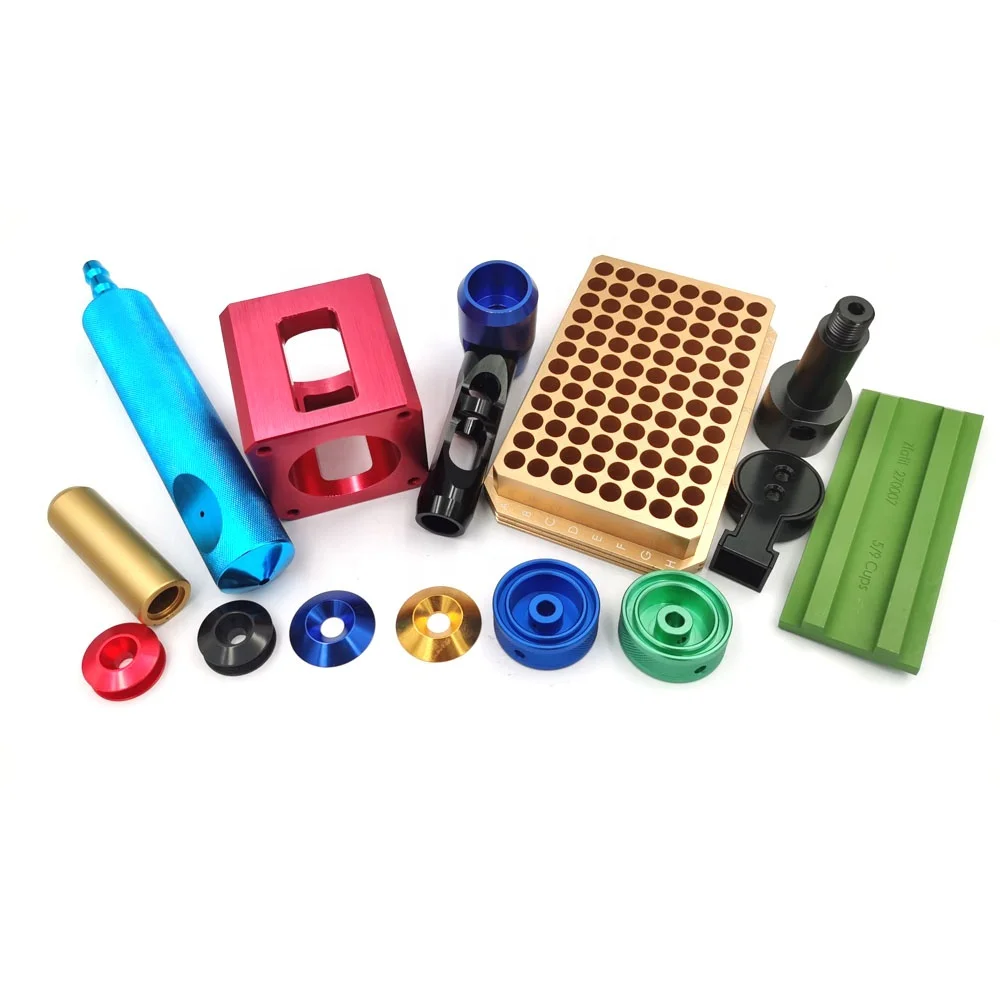
Understanding how to specify geometric dimension and tolerance (GD&T) for precision machined CNC parts are important in manufacturing. At Dakunlun, we know clear communication help to ensure high-quality product. GD&T is system that use symbols to describe shape, size, and how much variation allowed for part. This make easier for engineers and machinists understand what needed so part can fit and work correct. Using GD&T help everyone in process stay on same page, that save time and reduce errors a lot.
What is Geometric Dimensioning and Tolerancing for CNC Parts?
Geometric Dimensioning and Tolerancing is way to give precise info about features on CNC machining parts. Think like set of rules telling how each part should look and how much it can change without become wrong. For example, if got hole in part, GD&T can tell how big hole should be and how much it can move from exact position. This super helpful because parts never made perfect, knowing variation amount help them fit together good. GD&T use different symbols for these rules. Some symbols show how flat, round or straight part should be. Others tell how much feature can shift from ideal spot. This system great for complex parts where many features interact each other. With GD&T you avoid confusion and miscommunication. Imagine try fit two puzzle pieces, but one got little extra material. If know how much extra okay, wont waste time force them. Also GD&T help with quality control. If part don’t meet specified tolerances, easy identify and correct it. This make sure every product from Dakunlun meet our high standard.
How to Effectively Specify Tolerances in Precision Machining
When specify tolerances in precision machining, essential be clear what you want. Start by understand function of part. For example if part critical for machine work, it should have tighter tolerances. If less critical, can allow little more variation. Also important think how part will made. Some features easier machine with looser tolerances, while others need tight ones because function. At Dakunlun we often analyze manufacturing process first before set tolerances. This help find balance between quality and cost. It also essential communicate with machinists who make part. They can give insights what realistic and achievable. Using GD&T symbols in drawings help everyone understand requirements clear. For example if part need flat surface, right symbol show how flat and allowable variation. This prevent mistakes and ensure part function correct. Finally always review and verify tolerances before production. This step crucial avoid issues later. By pay close attention these details, Dakunlun make sure every CNC part meet required standards and work perfect in application.
Common Usage Issues in Geometric Tolerancing for Machined Parts
When talk about geometric dimension and tolerance (GD&T) for custom CNC machining service, important understand this special way describe how parts fit together and how precise need be. Many people work with these parts sometimes make mistakes which cause problems. One common issue is not use right symbols or terms. For example if someone don’t use correct GD&T symbols, confuse manufacturer. They might not understand exactly needed, lead to parts not fit proper. Another issue not clear about measurements. If size and shape requirements not defined clear, part might made too big or too small. This happen when designer assume everyone know what mean, but not always case. Better be clear and specific always. Also sometimes people forget consider how parts used. For instance part look perfect on paper but not work good in real life, then useless. At Dakunlun we always stress think about usage when create designs. By address these common issues early, we make sure parts not only precise but also functional.
What Wholesale Buyers Need to Know About Tolerancing Standards
If you wholesale buyer look for precision machined parts, crucial understand tolerance standards. Tolerances like rules tell how much part can vary in size or shape. When buy parts bulk, want sure they work well together. Knowing tolerance standards help assess if parts meet quality need. For example tight tolerance mean only little off from exact size. Important for parts fit close. On other hand some parts can have looser tolerance, mean bit more flexible size. Understand differences help make better purchase decisions. Also wise ask suppliers like Dakunlun about their tolerance process. This way know how ensure every part made correct. Keep in mind different industries have different standards. For instance aerospace parts might have stricter tolerances than everyday products. By aware these factors, can ensure choose right parts meet needs without surprises later.
How to Ensure Quality with Precise Geometric Specifications
Ensure quality in precision machined parts start with have precise geometric specifications. At Dakunlun we believe clear and detail specifications foundation of quality. When create design, important include as much info possible. This mean use correct GD&T symbols and give clear measurements. For example if part need round, we specify exact diameter and tolerances apply. This make easy for machinist understand required. Another key is communicate special requirements early. If part need withstand heat or pressure, mention this help manufacturer choose right materials and techniques. Moreover regular checks during manufacturing help identify issues before big problems. This can involve measure parts at different stages ensure still meet specs. Finally working close with manufacturer essential. Open communication make sure questions addressed quick, lead better final product. By follow these steps, companies like Dakunlun produce high-quality machined parts meet all specifications and tolerances, ensure customers satisfied with purchases.
Table of Contents
- What is Geometric Dimensioning and Tolerancing for CNC Parts?
- How to Effectively Specify Tolerances in Precision Machining
- Common Usage Issues in Geometric Tolerancing for Machined Parts
- What Wholesale Buyers Need to Know About Tolerancing Standards
- How to Ensure Quality with Precise Geometric Specifications