 EN
EN
 BG
BG
 HR
HR
 CS
CS
 DA
DA
 NL
NL
 FI
FI
 FR
FR
 DE
DE
 EL
EL
 IT
IT
 JA
JA
 KO
KO
 NO
NO
 PL
PL
 PT
PT
 RO
RO
 RU
RU
 ES
ES
 SV
SV
 TL
TL
 LV
LV
 SR
SR
 SK
SK
 SL
SL
 UK
UK
 VI
VI
 ET
ET
 HU
HU
 TR
TR
 FA
FA
 GA
GA
 BE
BE
 EO
EO
 MI
MI

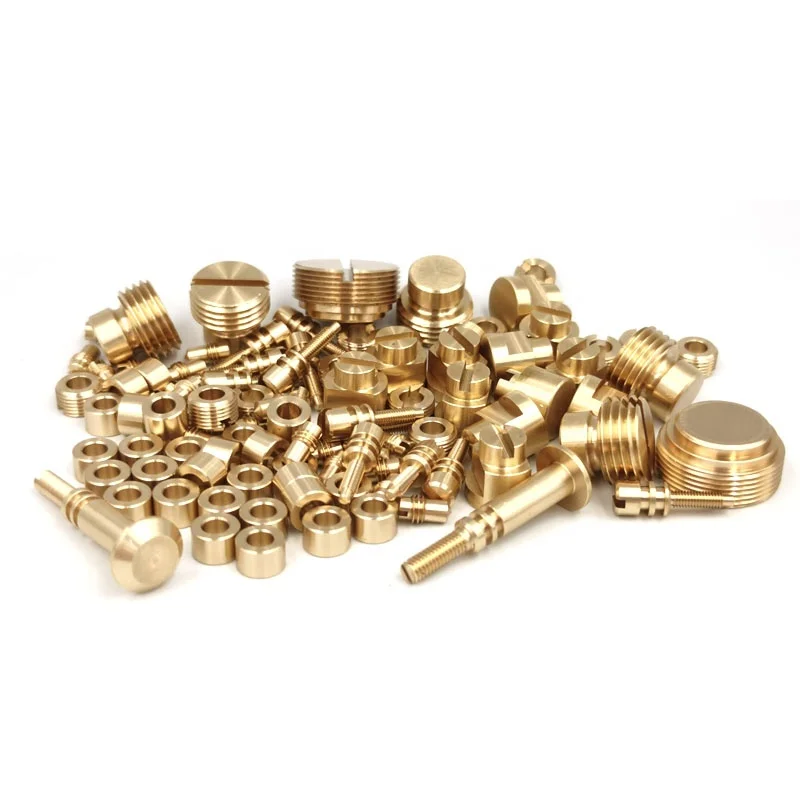
Anodiseerimine on ahvatlev protsess, mis muudab teie alumiiniumosad tugevamaks ja paremini välja näitavaks. Meie, Dakunlun, mõistame hästi seda suurt väärtust, mida kvaliteetsed alumiiniumosad pakuvad, eriti siis, kui neid valmistatakse nii kõrgetehniliste seadmete abil nagu CNC-masin. Anodiseerimine loob alumiiniumi pinnale kaitsekihi ja parandab selle välimust juba varases töötlemisjärgus. See on eriti oluline osade puhul, mida kasutatakse autodes, lennukites ja muudes masinates, kus ohutus on ülioluline. Anodiseerimise tulemusena muutub alumiiniumi pind läikivaks ja seda on lihtne värvida. Seega võib isegi lihtsaim komponent olla mitte ainult praktiline, vaid ka atraktiivne. Selles artiklis selgitame, mida anodiseerimine võib teha alumiiniumosade jaoks ning mida peaksite arvestama, otsustades, milline anodiseerimise tüüp sobib teie osa jaoks kõige paremini.
Täppismasin töödeldud alumiiniumi anodiseerimise eelised - Kuidas see tegelikult toimib?
Anodiseerimine on sarnane alumiiniumile üliomaduse andmisega. See tugevdab alumiiniumi pinnakihti. Anodiseeritud alumiiniumi puhul on teostatud keemilise kippamise ja elektrilaenguga protsess, mille tulemusena tekib metallile uus välimine kiht, mis muudab selle vastupidavamaks tuulele ja kulumisele. See tähendab, et detail on vastupidav, isegi rasketes tingimustes. Näiteks autode osa, mis kogeb palju kuumust ja survet, püsib paremini, kui see on anodiseeritud. Anodiseerimine toimib ka korrosioonikaitseks. Niiskus, kemikaalid ja niiskus võivad alumiiniumi korrodeerida. Kuid anodiseerimine loob kaitsekihi, mis takistab niiskuse ja kemikaalide jõudmist metallini. See on oluline osade puhul, mis võivad olla veega või soolaga kokkupuutes, näiteks meres kasutatavate osade puhul.
Lisaks võib anodiseerimine parandada välimust CNC alumiiniumiosad samuti. Seda on saadaval paljudes värvides, mis võimaldab tootjatel kohandada seda sobivaks värvikavaga või brändiga. Mõelge sädelevale, ilusale sinisele matitud alumiiniumile kõrgetasemelisel jalgrattal või punakuumile osale sportautol. See ei näe mitte ainult välja hästi detailil, vaid aitab ka eristada detaile kokkupaneku või hoolduse ajal. Lisaks on anodiseerimine keskkonnasõbralikum teiste katetega võrreldes. See sõltub vähem ohtlikest keemilistest ainetest ja toodab vähem jäätmeid. Seetõttu on see suurepärane valik ettevõtetele, kes on keskkonnateadlikud ja soovivad valmistamisel valida rohelisemaid alternatiive. Seega, valides anodiseerimise oma alumiiniumdetalide puhul, saate mitte ainult tugevama ja paremini välja näeva lõpptooted, vaid teete ka keskkonnasõbralikuma valiku.
Mida tuleb arvestada, kui valite alumiiniumdetailide anodiseerimise tüüpe?
Alumiiniumosade jaoks sobiva anodiseerimisprotsessi määramisel tuleb arvestada mõnda olulist tegurit. Esiteks peate otsustama, milleks osa peab sobima. Kui kavatsete seda kasutada rasketes tingimustes soolase veega või kõrgetel temperatuuridel, siis soovite tõenäoliselt paksemat anodiseeritud kihti. Mida paksem kiht, seda parem on teie korrosioonikindlus ja kulumiskindlus. Näiteks paatide osade ja välistingimustes kasutatava seadmeosa puhul on parem kasutada paksemat anodiseeritud pinda.
Teine tegur on värv. Tuleb arvestada ka sellega, et teie detaili puhul ei saa alati valida sobivat värvi, nii et peame kontrollima, kas sihtanodeerimisprotsess võimaldab soovitud värvi saavutada. Mõned anodeerimismeetodid annavad heledat, anorgaanilist värvi, kus mõned värvid on võimalikud, kuid teisi variante ei saa. „Minu jaoks on kasulik kaaluda soovi- ja kandmisstiili,“ ütles ta. Kui detail on ainult funktsionaalne ja ei pea ilus välja nägema, võite valida lihtsama ja odavama anodeerimise.
Hind on veel üks tegur, mida tuleb arvestada. Erinevad anooditud pinnakatte klassid võivad maksta erinevalt, olenevalt sellest, kui palju töötlemist on vaja. Teised meetodid on kallimad, kuna need hõlmavad spetsiaalset varustust või täiendavaid samme, nimelt anooditud kihi hermeetilist sulgemist. Meie pühendume alati aitama klientidel leida kõige sobivam tasakaal kvaliteedi ja maksumuse vahel. Lõpuks on tarnija osas oluline kogemus. Teil peab olema partneriks ettevõte, mis tunneb anooditud pinnakatte valmistamist ja suudab aidata teil oma valikuid mõista. Meil Dakunlunis on ekspertteadmised, et aidata teil teha teie alumiiniumosast parim, kui see võimalik on. Kas otsite vastupidavat, pleegitatud matte või kindlat, läikivat pinda – me saame aidata järgmise disainiprotsessi jooksul.
CNC töödeldud alumiiniumdetailide täiustamine kvaliteetse anooditud pinnakatega
Anoodimine on unikaalne protsess, mis annab CNC-masinate (arvutijuhtimisel) valmistatud alumiiniumdetailidele atraktiivse ja vastupidava pinnakatte. Nüüd, kui kaalume, kuidas parandada anoodimise pinnakatet CNC-masinatöödeldud alumiiniumil, on asjakohane mõista, et see protsess hõlmab alumiiniumi pinnale kaitsekatte lisamist. Pinnatöötlemine a alumiiniumkomponenti , alumiiniumkomponent puhastatakse kõigepealt, et eemaldada õli või mustus. Seejärel tehakse elektrokeemilist protsessi, mille käigus komponent viiakse hapu vanni. Lahusesse lastakse elektrivool, mis tekitab pinnale alumiiniumoksiidi kihhi. See oksiidikiht on erakordselt kõva ja võib anda detailile sileda, läikiva välimuse. Anoodimise järel saab komponenti värvida erinevatesse värvides, et saavutada iseloomulik ja atraktiivne pind. Sobib hästi osadele, millel peab olema hea välimus, näiteks toodetes, mida kliendid näevad. Dakunlunis tagame osa kaupa, et meie anooditud alumiiniumosad ei ole mitte ainult silmapaistvad, vaid ka usaldusväärsed. Teame, et hea pind on see, mis paneb toote särama, ja see on samas tõendiks, et me, kui ettevõte, hoolime väikestest asjadest. Anoodimisprotsess aitab samuti täita mikroskoopilisi kriimustusi või muid alumiiniumpinnal olevaid defekte, muutes selle veelgi paremini välja näitavaks. Kui hoiad Dakunlunis anooditud komponenti käes, tunned selle siledust ja näed sära, teades, et selle täiuslikuks muutmiseks on tehtud palju lisatööd.
Kuidas anodiseerimine parandab alumiiniumdetailide korrosioonikindlust ja vastupidavust
Anoodimine on suurepärane, kuna see suurendab alumiiniumtoodete korrosioonikindlust. Alumiinium on kerge, tugev metall, millest inimesed valmistavad kõike jalgrattast muruaia toolideni. Kuid kuigi alumiinium ei rooste, võib see laguneda õhu ja niiskuse mõjul ning aja jooksul hakkab lagunema ja kahjustuma. Sellele saab eitada anoodimise teel, mis moodustab pinnale pakse alumiiniumoksiidi kihi. See kiht muutub liigikeseks kõvaks kaitsekihiks, mis takistab niiskuse ja teiste kahjulike ainete tungimist alumiiniumi sisse. Dakunlunis tagame meie kõrge täpsusega CNC-töödeldud alumiiniumdetailide anoodimisel, et see kaitsekiht oleks tugev ja vastupidav. See mitte ainult pikendab detaili eluiga, vaid ka meie tooted suudavad taluda kasutamist rasketes tingimustes, ilma et peaksime muretsema nende roostemise või lagunemise pärast. Kui paigaldada näiteks alumiiniumdetail väljaspool, aitab anoodkiht seda kaitsta vihma ja tolmu eest. See on tegelik eelis, kuna klient saab olla kindel, et meie toode kestab kauem ja neil pole vaja neid asendada. Anoodimise kaudu toob Dakunlun oma toodetes ellu kvantitatiivsest kvalitatiivsesse ülemineku. Just see pühendumus annab meie klientidele rahulolu, kui nad valivad ühe meie toodetest – nad teavad, et saavad midagi, mis töötab hästi ja näeb head välja aastaid.
Tugevdusaneerimise tehnoloogiate mõistmine CNC töödeldud alumiiniumile: tüüp I, tüüp II ja kõva anoodimine
Erinevatel anoodimise tehnikatel on oma eelised CNC töötlemisel; nende eristamine on oluline paremaks mõistmiseks. On olemas kaks peamist anoodimise tüüpi: tüüp I ja tüüp II. Tüüp I anoodimist tuntakse ka kui "kroomhappe anoodimist" ja see sobib hästi osadele, mis vajavad korrosioonikindlust, kuid kus ei soovita rasket katet. See tagab sileda pinnatöötluse ja seda kasutatakse sageli sõjandus- või kosmosetööstuses. Tüüp II anoodimine kasutab aga väävelhapet ja toodab paksemat oksiidkihti. See liik on tohutult populaarne, kuna suurendab pinna kõvadust ja seda saab värvida paljudesse värvides, mis sobib suurepäraselt osadele, mis peavad nii hästi välja nägema kui ka vastu pidama koormusele. Dakunlunis saame valida anoodimisprotsessi kliendi konkreetsete nõuete alusel. Näiteks kui keegi vajab osa, mis suudab vastu pidada rasketele ilmastikutingimustele, võime soovitada tüüpi II anoodimist täiendava kaitse saamiseks. Mõlemal protsessil on oma eelised ja meie pühendume kliendile parima lahenduse leidmise abistamisele. On olemas ka protsess, mida tuntakse kui kõva anoodimist, mis toodab veelgi paksemat ja kõvemat kihti. See sobib täiuslikult osadele, mis peavad olema erakordselt vastupidavad ja suutma taluda kulumist, nagu näiteks masinate komponendid. Nende valikute õppimise kaudu suudab Dakunlun pakkuda isikupärastatud lahendusi, mis rahuldavad konkreetseid nõudeid, ja tagada, et kliendid saaksid toote sobivaimate omadustega. Meie paindlikkus ja detailidele pööratud tähelepanu on muutnud meist üheks esivalikuks neile, kes otsivad kõrgkvaliteedilisi anooditud tooteid. alumiiniumi CNC kiipart .
Sisukord
- Täppismasin töödeldud alumiiniumi anodiseerimise eelised - Kuidas see tegelikult toimib?
- Mida tuleb arvestada, kui valite alumiiniumdetailide anodiseerimise tüüpe?
- CNC töödeldud alumiiniumdetailide täiustamine kvaliteetse anooditud pinnakatega
- Kuidas anodiseerimine parandab alumiiniumdetailide korrosioonikindlust ja vastupidavust
- Tugevdusaneerimise tehnoloogiate mõistmine CNC töödeldud alumiiniumile: tüüp I, tüüp II ja kõva anoodimine